

The Language of Bereavement Flowers: A Comprehensive Guide to Sympathy Etiquette and Meaning
Introduction: Expressing the Unspeakable Through Flowers
In the throes of grief, words often fail us. When a friend, colleague, or family member experiences the profound pain of loss, finding a meaningful way to express empathy and support can feel overwhelming. This is where the enduring tradition of sending bereavement flowers takes center stage. Flowers are more than just decoration; they are a centuries-old, silent language that communicates respect, love, and unwavering condolence when human vocabulary falls short.
Whether you are selecting a grand standing spray for a memorial service or a subtle, comforting plant for the home, the choice carries significant weight. This comprehensive, detailed guide is designed to empower you with the knowledge needed to choose and send bereavement flowers with thoughtfulness, grace, and adherence to established etiquette. We will navigate the critical distinctions between funeral and sympathy arrangements, decode the specific meanings of various blooms, and address the crucial cultural considerations that ensure your tribute is received exactly as intended: as a sincere gesture of comfort.
Understanding the Role of Bereavement Flowers
Bereavement flowers serve several vital psychological and spiritual functions within the mourning process. They are a tangible reminder that the deceased was loved and that the grieving family is not alone in their sorrow.
The Comfort of Beauty Amidst Sorrow
During a difficult time, the presence of fresh flowers provides a momentary lift and a sense of life continuing amidst despair. Their vibrant colors and delicate fragrances offer a soothing counterpoint to the heaviness of grief. For the immediate family, the flowers surrounding the service are symbols of the community’s shared loss.
The Distinction: Funeral vs. Sympathy Flowers
The first critical decision in sending bereavement flowers is determining the appropriate location and scale of the tribute. The terms ‘funeral flowers’ and ‘sympathy flowers’ are often used interchangeably, but they refer to two distinct categories with different etiquette rules.
Funeral Flowers: Sent to the Service or Burial Site
These arrangements are typically large, formal, and intended to adorn the funeral home, chapel, or gravesite. They act as public tributes from friends, extended family, or organizations. Key characteristics include:
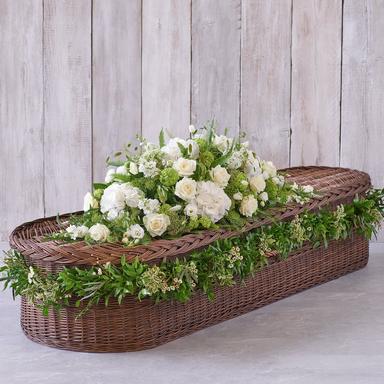
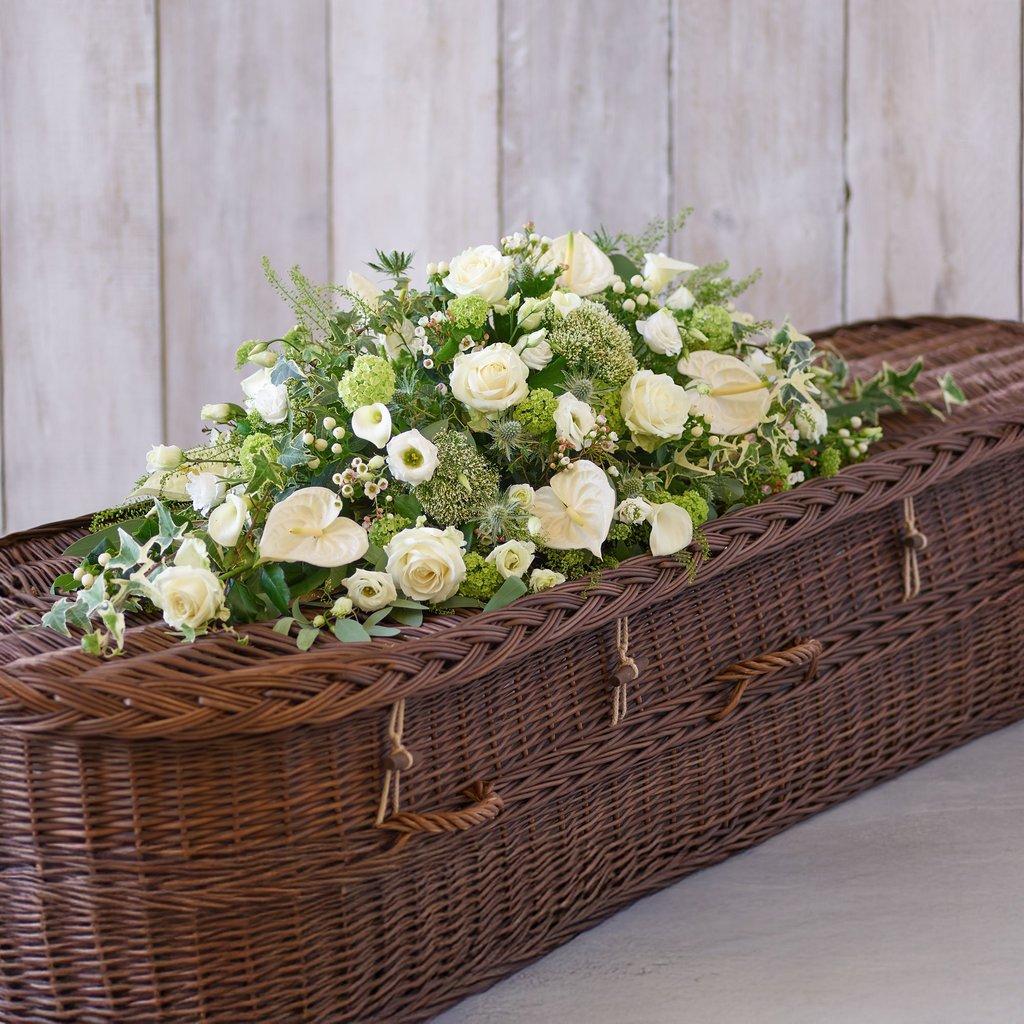
- Scale: They are often large, such as standing sprays, wreaths, crosses, or casket sprays.
- Purpose: To beautify the service environment and honor the deceased publicly.
- Senders: Immediate family typically orders the casket spray. Others send standing sprays or large baskets.
Sympathy Flowers: Sent to the Residence of the Grieving Family
Sympathy flowers are sent directly to the home of the surviving family members, either before or after the service. They are designed to offer private, lasting comfort.
- Scale: Smaller, more intimate arrangements, suitable for a living room table or kitchen counter.
- Purpose: To provide ongoing solace after the formal ceremonies have concluded.
- Appropriate Choices: Potted plants (like Peace Lilies or Orchids), decorative baskets, or understated bouquets. These are excellent choices for lasting comfort.
Deciphering the Floral Dictionary: Meaning by Type and Color
Every bloom carries a specific message, a history rooted in tradition. Understanding these meanings ensures your tribute aligns perfectly with your relationship to the deceased or the family.
The Meaning of Specific Flower Types
While almost any flower can be used in a sympathy context, certain flowers are historically and symbolically linked to mourning:
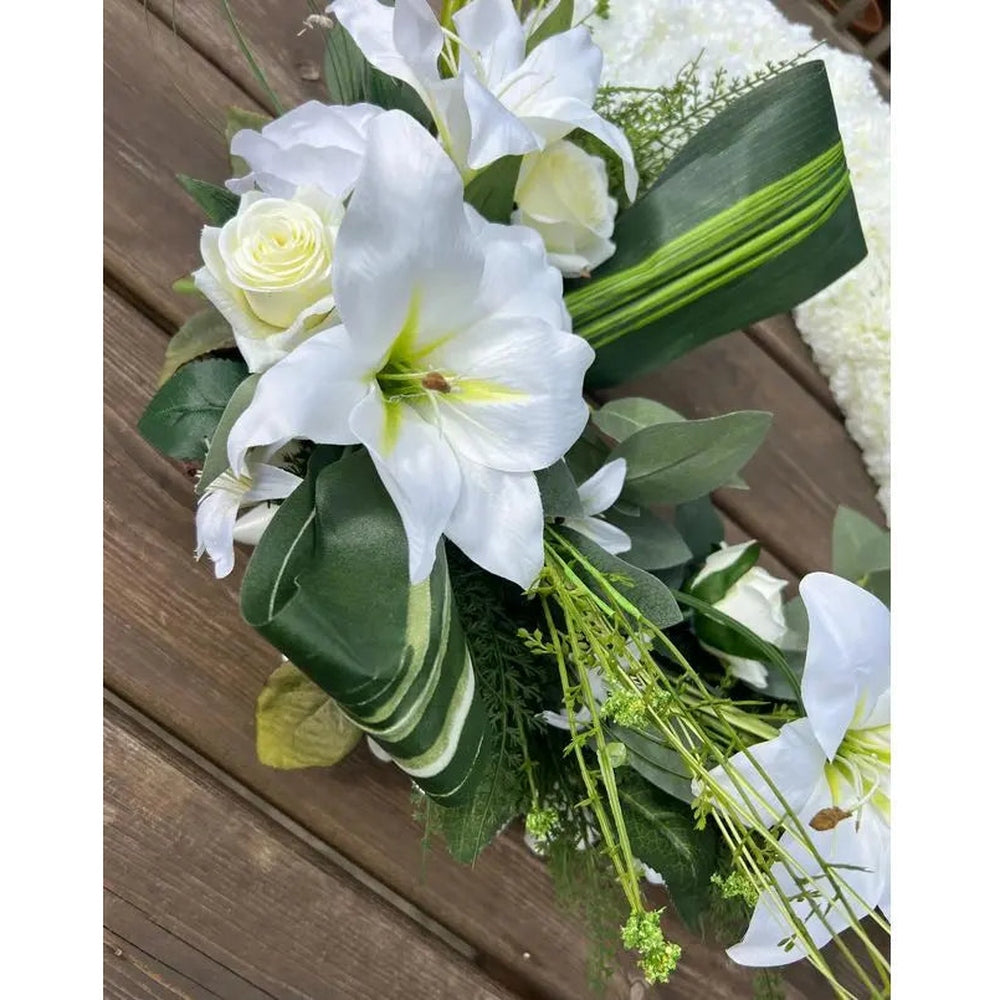
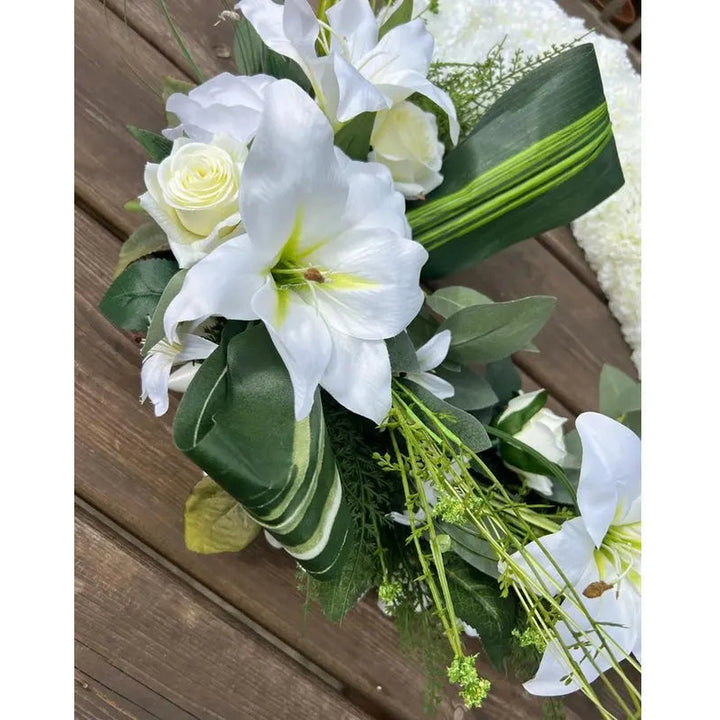
- Lilies: Perhaps the most iconic funeral flower, white lilies symbolize the restored innocence of the soul and purity. They represent majesty and honor.
- Roses: Universally accepted symbols of love. White roses signify reverence, purity, and humility; Red roses express deep affection and sorrow; and Pink roses denote grace, appreciation, and tender sentiment.
- Carnations: A staple in funeral arrangements. White represents pure love and innocence, while pink symbolizes remembrance.
- Chrysanthemums (Mums): In many European cultures, particularly France, Italy, and Spain, chrysanthemums are exclusively used for remembrance and funerals. They symbolize grief and honor the life lived.
- Orchids: Symbolize eternal love and enduring devotion, making them an excellent choice for a long-lasting potted plant gift.
- Gladioli: Represent sincerity, strength of character, and moral integrity. Their tall, strong stalks make them perfect for standing sprays.
The Psychology of Color in Condolence Arrangements
Color choice heavily influences the mood of the arrangement and the message conveyed:
- White: The primary color for funerals, signifying peace, honor, innocence, and reverence.
- Soft Pinks and Lavender: Suggest grace, youthfulness, sympathy, and gentleness.
- Yellow: Often associated with friendship and hope. While bright yellow can be too cheerful for a traditional service, soft yellows paired with whites can be comforting.
- Blue and Purple: Represent serenity, calm, and respect. Deep purple can signify mourning.
Bereavement Flower Etiquette: The Practical Guide
Proper etiquette extends beyond choosing the right flower; it involves appropriate timing, delivery location, and messaging.
Who Should Send Which Type of Arrangement?
H4: Immediate Family Tributes
Immediate family members (spouse, children, parents) traditionally order the most intimate arrangements, such as the casket spray, pillow, or blanket arrangements that rest on or near the casket. These are often deeply personalized.
H4: Friends, Colleagues, and Extended Family
These individuals should opt for standing sprays, wreaths, large floor baskets, or memorial tributes. If you are part of a group (like an office or club), consider pooling resources for one large, impressive arrangement rather than several small ones. This conveys greater collective support.
Timing is Everything: When to Send Sympathy Flowers
The ideal time to send flowers depends on their purpose:
- For the Service (Funeral Flowers): They must arrive at the funeral home or place of worship at least two to three hours before the viewing or service begins. Coordinate delivery directly with the funeral director.
- For the Home (Sympathy Flowers): These can be sent immediately upon hearing the news, or, perhaps more helpfully, a week or two after the service. The post-service period is often when the grieving person needs support the most, as initial crowds disperse.
The Art of the Sympathy Card Message
The accompanying card is a crucial element. Keep the message brief, sincere, and personal. Avoid clichés like “I know how you feel.”
- Simple & Direct: “Thinking of you during this difficult time. With deepest sympathy.”
- Personalized Memory: “John was such a kind soul. I will always remember [specific positive memory]. Sending you peace and comfort.”
- Offering Support: “We are so saddened by your loss. Please know that we are here for you in any way you need. Love and support.”
- Identification: Always include your full name and relationship to the deceased or the family (e.g., “The Smith Family, neighbors of Mary”).
Addressing the ‘In Lieu of Flowers’ Request
If the obituary states “In lieu of flowers, donations may be made to [Charity],” this request should always be honored. This means the family prefers charitable donations over floral tributes. However, if you feel strongly about sending a physical comfort item, a small potted plant or a food basket sent to the home after the service is generally acceptable, as it respects the funeral home request while still offering personal solace.
Cultural and Religious Considerations
Respecting the faith and traditions of the deceased is paramount. What is appropriate in one setting may be insensitive in another.
Judaism and Islam
In many Jewish traditions, flowers are not historically used during the Shiva period (the seven days immediately following the burial). A fruit basket or a contribution to a Jewish charity is often preferred. Similarly, in many conservative Islamic traditions, excessive floral displays can be seen as ostentatious, although modest bouquets are sometimes accepted. When in doubt, send a condolence card or a food delivery instead, or consult directly with the funeral director.
Eastern Traditions (Buddhism and Hinduism)
In Buddhist funerals, white and yellow flowers are appropriate, symbolizing rebirth and purity. Avoid bright reds, which are typically associated with celebration. In Hindu funerals, flowers are generally welcome, often used loosely rather than in formal arrangements. Wreaths and large sprays are uncommon.
Catholic and Protestant Services
Flowers are central to Christian funeral traditions. All standard arrangements (lilies, roses, carnations, sprays) are welcome and appreciated. The cross or crucifix arrangement is a common religious symbol.
Beyond Blooms: Alternatives and Lasting Tributes
Sometimes, a tribute that lasts longer than a week offers greater ongoing comfort to the bereaved family.
Potted Plants: Ongoing Support
Potted plants, like the Peace Lily (Spathiphyllum), are excellent sympathy gifts. The Peace Lily symbolizes peace and tranquility and can survive for years, serving as a permanent, living reminder of the care extended during their loss. Other lasting options include potted hydrangeas or orchids.
Memorializing Through Nature
For those who loved nature, consider a donation to a foundation that plants memorial trees or supports a specific garden. Giving a gift certificate for a tree or shrub that the family can plant in their own yard provides a lasting, growing tribute that memorializes the deceased in a profoundly beautiful way.
Conclusion: A Heartfelt Gesture of Care
The act of choosing and sending bereavement flowers is an ancient tradition rooted in deep human empathy. It is an opportunity to offer tangible comfort when platitudes fail. By understanding the language of flowers—from the serene purity of the white lily to the enduring devotion of the orchid—you ensure that your tribute is both respectful and meaningful. Remember the critical difference between public funeral arrangements and private sympathy gifts sent to the home. In honoring cultural nuances and focusing on sincerity, your thoughtful gesture becomes a source of profound strength for those navigating the painful path of loss. Consult with a professional florist who specializes in funeral arrangements to guarantee the perfect tribute, delivered with the dignity the occasion demands.
If you found this guide helpful, consider sharing it to help others navigate the delicate task of expressing sympathy through flowers.
Best Selling
Extra Large Rose & Iris Bouquet
Neutral
Autumnal shades
Reds and pinks
Citrus shades
Pinks and creams
Pretty pastels
Bright and cheerful
Seasonal flowers
Woodland Cushion
With Love Greetings Card
Wild Flowers
White Tulips with Eucalytus Bouquet
White oriental Lily arrangements
White Natural Pillow
thomas kinkade christmas
thomas kinkade christmas
Based on 863 reviews
863 Reviews
Gorgeous bunch
I ordered these flowers for a family member and it turned out so beautiful, flowers were gorgeous and fresh! Highly recommend
5 Star service
“Fantastic same-day flower delivery! The flowers arrived on time, fresh, and beautifully arranged. My girl absolutely loved them — highly recommend!”
Peaches and Cream Flower Box
Flowers were delivered on time with an accompanying photo. Beautifully presented and much appreciated by the recipients. Will definitely order from this business again.
Beautiful Flowers!!
Beautiful Flowers, exactly as online photos. Delivery was on time to hospital requested and wonderful.
Flowers sent for a family as they had lost their loved one.
Good delivery and product. The family were happy. Only complaint I have is that the whole written material with our senders names was not printed on the card. The family receiving the flowers did not know who is it from. Best to ensure that's done. Thank u
Hello Ujwala,
Thank you for taking the time to share your feedback and rating. I'm delighted that you found the delivery and product quality of the Peaches & Cream Flower Box to be good...
However, I'm truly disappointed to learn that our printed card didn't include all the sender information, leaving the family uncertain about who had sent the thoughtful arrangement...