

Introduction: The Language of Flowers in Grief
In times of loss, words often fail us. Yet, the human need to express deep sorrow, respect, and enduring love remains paramount. This is where the quiet eloquence of funeral flower arrangements takes center stage. Far more than mere decoration, funeral flowers serve as a profound visual tribute, offering solace to the bereaved and honoring the life that was lived. Choosing the right arrangement—be it a grand casket spray or a simple potted plant—requires careful consideration of tradition, etiquette, and the unique personality of the deceased.
For those navigating the difficult process of selecting a final floral tribute, the complexity can be overwhelming. This guide is designed to be your comprehensive resource, detailing everything from the different styles available to the hidden meanings behind popular blooms, ensuring your selection conveys the exact sentiment you wish to share.
The Profound Significance of Funeral Flowers
Funeral flowers fulfill several critical roles in the ceremony and the grieving process. They provide a focal point, soften the atmosphere, and symbolize the cycle of life and renewal.
Comfort, Honor, and Symbolism
- Comfort for the Grieving: The beauty and fragrance of flowers are known to have a calming effect, providing a visual distraction and a small measure of peace during profound sadness.
- Honoring the Deceased: Flowers act as a final, public demonstration of respect and admiration for the individual’s life.
- Symbolic Representation: Every flower, and even its color, carries a traditional meaning that helps communicate complex emotions that are too difficult to articulate verbally.
- Life Cycle Reminder: They symbolize the brevity of life and the hope for renewal and rebirth.
Understanding the Different Types of Funeral Arrangements
Funeral arrangements fall into distinct categories, each designated for a specific location within the service or purpose after the ceremony. Knowing these distinctions is crucial for proper etiquette.
Primary Arrangements (Reserved for Immediate Family or the Ceremony Focus)
These arrangements are typically large and occupy prime locations near the casket or urn.
Casket Sprays: The Final Crown
The casket spray is the most prominent floral arrangement, designed to drape over the top of the casket. Traditionally, this is selected and paid for exclusively by the immediate family (spouse, children, or parents). They are meant to be a personalized reflection of the deceased’s life or favorite flowers. They can be full-couch sprays (covering the majority of the lid) or half-couch sprays (used when the casket is open).
Standing Sprays and Wreaths: Large Tributes
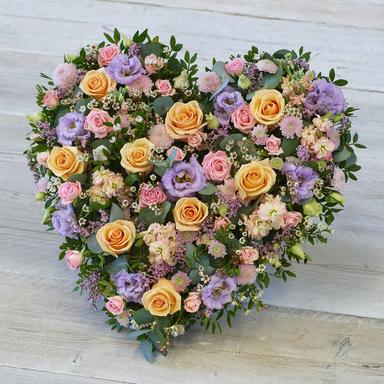
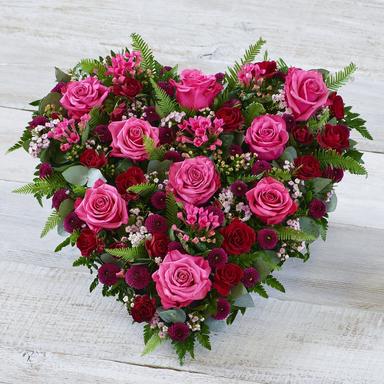
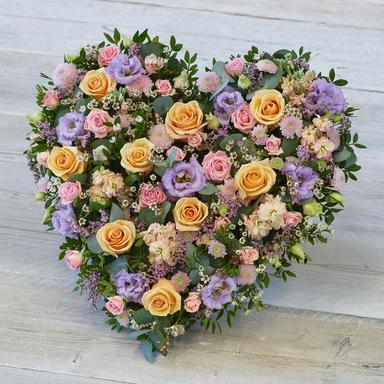
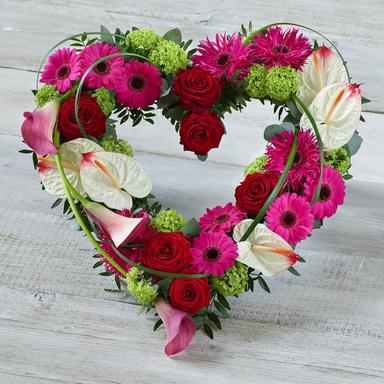
Standing sprays are large, vertical arrangements mounted on an easel. Wreaths, crosses, and hearts are geometric shapes that also stand on easels. These are appropriate for extended family, close friends, or groups (such as colleagues, churches, or clubs). They serve as beautiful backdrops during the service.
- Wreaths: Symbolize the eternal circle of life and everlasting love.
- Crosses: Represent faith and salvation.
- Hearts: Indicate deep love and devotion.
Secondary Arrangements (Appropriate for Friends and Extended Family)
These pieces are placed around the viewing room, chapel, or graveside, adding atmosphere and color without overshadowing the primary family tributes.
Sympathy Baskets & Dish Gardens
These are versatile, often containing a mix of cut flowers and foliage in a decorative container. They are highly appropriate gifts from friends and can be easily transported from the funeral home to the bereaved family’s home afterward. Dish gardens, specifically, often include long-lasting green plants and blooming flowers.
Vases and Pedestal Arrangements
Smaller, traditional vase arrangements are perfect for adding color to side tables or entryways. They should be delivered directly to the funeral home or place of worship, clearly labeled with the name of the sender and the deceased.
Living Plants: A Symbol of Enduring Life
Sending a healthy potted plant is a powerful, long-lasting alternative to cut flowers, symbolizing life continuing despite grief. These are excellent sympathy gifts intended for the home rather than the funeral service itself (unless specifically requested).
Common appropriate living plants include:
- Peace Lily (Spathiphyllum): Symbolizes peace, innocence, and tranquility. Easy to care for and highly traditional.
- Orchids: Represent eternal love and refinement.
- Hydrangeas: While often used in cut arrangements, potted hydrangeas symbolize heartfelt emotion and perseverance.
Decoding the Language of Sympathy Flowers
The selection of specific blooms is often governed by tradition, religious custom, and the unspoken language of flowers (floriography).
Traditional Choices and Their Meanings
While any flower can be meaningful if it was a favorite, certain flowers carry powerful associations with mourning and remembrance:
- Lilies: Perhaps the most classic funeral flower, especially the white Stargazer or Calla lily. They symbolize the purity and renewed innocence of the soul after death.
- Roses: Universally recognized, the color dictates the meaning:
- White Roses: Reverence, humility, innocence, and youth.
- Red Roses: Deep love and respect; often used in casket sprays.
- Pink Roses: Grace, elegance, and admiration.
- Yellow Roses: Reserved almost exclusively for close friends, symbolizing strong camaraderie.
- Carnations: Long-lasting and fragrant, carnations are affordable and meaningful. White carnations denote pure love, while red carnations signify deep admiration.
- Chrysanthemums (Mums): In many European countries and parts of Asia, the chrysanthemum is used almost exclusively as a memorial flower, symbolizing truth and honoring the life of the deceased.
- Gladioli: These tall, elegant flowers denote strength of character, sincerity, and moral integrity.
Personalizing the Tribute
Modern funeral services often embrace personalization. If the deceased loved sunflowers or tropical birds of paradise, incorporating these non-traditional flowers can create a heartfelt and unique tribute that celebrates their life and hobbies. Always communicate with the florist about the person’s life and preferences.
Funeral Flower Etiquette: Who Sends What?
Adhering to etiquette ensures that the flowers contribute positively to the atmosphere and do not cause confusion or offense.
Guidelines for the Immediate Family
The immediate family holds the right to select the primary floral tributes. If you are immediate family, focus on the casket spray and perhaps two large accompanying arrangements that flank the casket or urn. These should be large, cohesive, and representative of the deceased’s central relationships.
Guidelines for Friends, Colleagues, and Acquaintances
If you are not immediate family, you should avoid selecting a casket spray. Appropriate choices include:
- Standing sprays or wreaths (especially from a group).
- Sympathy baskets or pedestal arrangements sent directly to the funeral home.
- Smaller arrangements delivered to the family home *after* the service.
- If attending a viewing, smaller, handheld bouquets or single stems are sometimes acceptable to place near the guest book or urn.
Critical Etiquette Rule: Ensure the florist knows the exact name of the deceased and the time of the visitation/service. Flowers must arrive well before the service begins, usually several hours prior, to allow funeral home staff to place them properly.
Logistics and Practical Considerations
Ordering, Timing, and Delivery
Order flowers at least 24 to 48 hours in advance of the first viewing or service. During busy seasons (like holidays), allow more time. Always use a professional florist experienced in funeral arrangements, preferably one located close to the funeral home, as they will be familiar with the facility’s receiving procedures.
Key Information to Provide the Florist:
- Full name of the deceased.
- Name and address of the funeral home or place of service.
- Date and time of the visitation/service.
- Name of the sender(s) for the card.
- If it is a cremation service, ensure the arrangement size is appropriate for an urn display.
Writing a Sensitive Card Message
Brevity and genuine warmth are key. Avoid lengthy sentiments or unsolicited advice. Card messages should be short, respectful, and signed clearly.
Examples of appropriate card messages:
- “With deepest sympathy and loving memories of [Name].”
- “May these flowers express what words cannot. Thinking of you.”
- “We share in your sorrow and celebrate the life of your dear [Relationship].”
- “Please accept our heartfelt condolences.”
Modern Trends and Alternatives in Memorial Tributes
As funeral services evolve, so do the ways people choose to honor the departed.
The Rise of Cremation Flowers
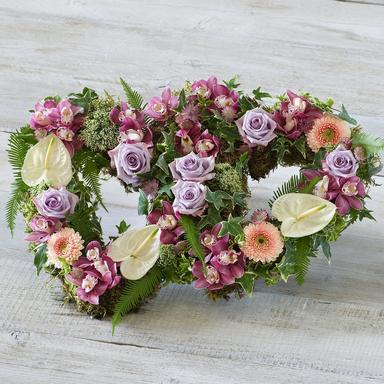
With cremation becoming more common, the focus shifts from a large casket spray to smaller, more intimate arrangements designed to complement an urn. Urn arrangements are often circular or semi-circular, framing the vessel respectfully. They must be stable and easily moved.
Addressing Requests for Donations
It is increasingly common for families to request that attendees donate to a specific charity in lieu of sending flowers. If the obituary states “In lieu of flowers, please send donations to…”, it is generally appropriate to respect this request.
However, if you feel strongly about sending flowers as a tangible expression of sympathy, you can often do both: make a small donation *and* send a modest arrangement (like a potted plant or small bouquet) to the family home after the service. This shows respect for the request while still offering comfort.
Conclusion: A Heartfelt Expression of Remembrance
Choosing funeral flower arrangements is a highly personal and poignant task, serving as a final act of devotion and respect. Whether you select a traditional lily standing spray or a collection of bright blooms celebrating a vibrant life, your choice communicates empathy and support to those who are grieving. The most important rule is that the gesture is made from the heart, offering a beautiful, tangible symbol of enduring connection.
Do not hesitate to consult with a reputable, local florist specializing in sympathy arrangements. Their expertise in design, timing, and etiquette will ensure that your tribute honors the memory of the deceased beautifully and provides much-needed solace to the family.
Best Selling
Extra Large Rose & Iris Bouquet
Neutral
Autumnal shades
Reds and pinks
Citrus shades
Pinks and creams
Pretty pastels
Bright and cheerful
Seasonal flowers
Woodland Cushion
With Love Greetings Card
Wild Flowers
White Tulips with Eucalytus Bouquet
White oriental Lily arrangements
White Natural Pillow
thomas kinkade christmas
thomas kinkade christmas
Based on 863 reviews
863 Reviews
Gorgeous bunch
I ordered these flowers for a family member and it turned out so beautiful, flowers were gorgeous and fresh! Highly recommend
5 Star service
“Fantastic same-day flower delivery! The flowers arrived on time, fresh, and beautifully arranged. My girl absolutely loved them — highly recommend!”
Peaches and Cream Flower Box
Flowers were delivered on time with an accompanying photo. Beautifully presented and much appreciated by the recipients. Will definitely order from this business again.
Beautiful Flowers!!
Beautiful Flowers, exactly as online photos. Delivery was on time to hospital requested and wonderful.
Flowers sent for a family as they had lost their loved one.
Good delivery and product. The family were happy. Only complaint I have is that the whole written material with our senders names was not printed on the card. The family receiving the flowers did not know who is it from. Best to ensure that's done. Thank u
Hello Ujwala,
Thank you for taking the time to share your feedback and rating. I'm delighted that you found the delivery and product quality of the Peaches & Cream Flower Box to be good...
However, I'm truly disappointed to learn that our printed card didn't include all the sender information, leaving the family uncertain about who had sent the thoughtful arrangement...